Viktor Lehmann · 8 September 2026
Smartphone Submissions Fuel Real-Time Maple Foliage Tracking Network in Poland
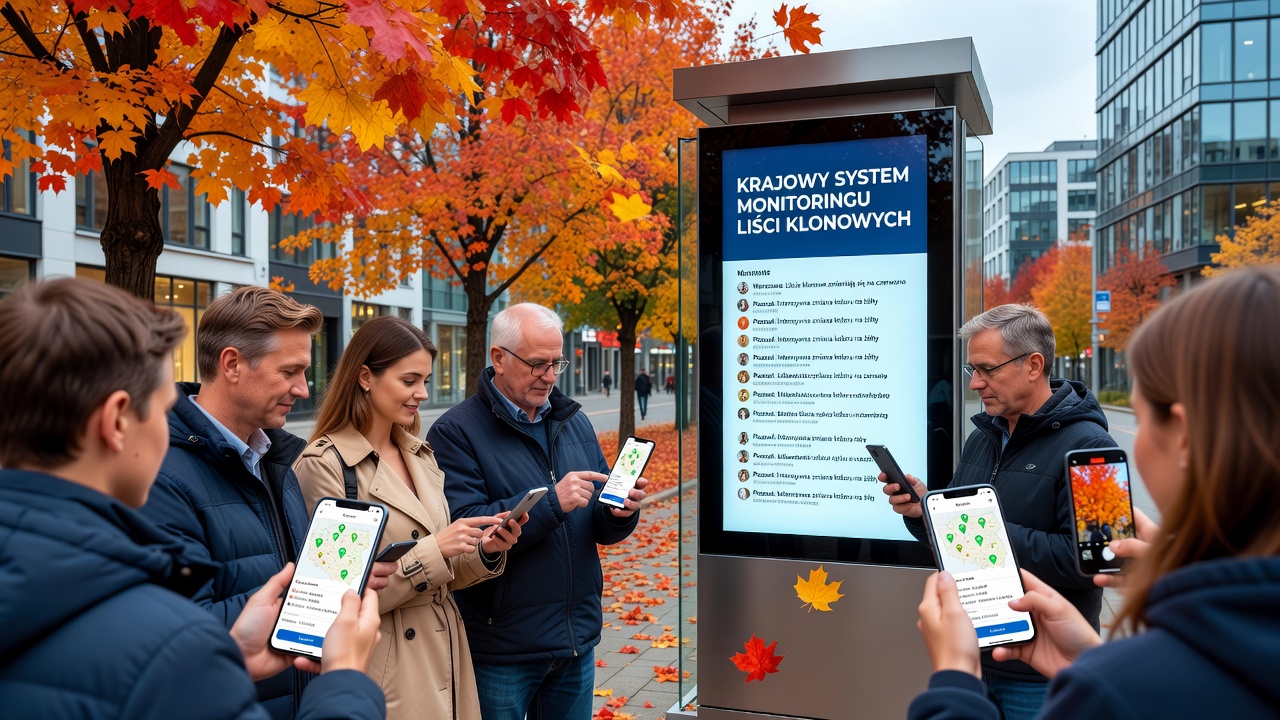
Polish residents participate in a coordinated effort that gathers real-time data on maple foliage transformations through smartphone applications, and this system operates across multiple regions including urban parks, rural woodlands, and protected forests. The platform records leaf color shifts, timing of peak autumn displays, and variations in transformation patterns while users upload geolocated photographs along with basic metadata such as date and observed intensity of color change.
How the Submission Process Works
Participants download a dedicated mobile application that guides them through standardized photo capture protocols, and the app prompts users to select from predefined categories that describe foliage stages ranging from green dominance through yellow, orange, and red phases to full leaf drop. Submissions feed directly into a central database managed by forestry research institutions, and algorithms cross-reference incoming images with satellite imagery to validate observations and flag inconsistencies. Data collection runs year-round yet intensifies during autumn months when maple species display the most visible transitions, and September 2026 marks one of the active monitoring windows where daily uploads help track regional differences in timing.
Geographic Coverage and Participation Patterns
The network spans from the Baltic coast in the north to the Carpathian foothills in the south, and observers in cities such as Warsaw, Krakow, and Gdansk contribute alongside residents in smaller communities near Bialowieza Forest. Aggregated submissions reveal that maple populations in lower elevations often begin color change several days earlier than those at higher altitudes, while coastal areas show more gradual transitions influenced by maritime conditions. Researchers at Polish agricultural universities analyze these patterns to correlate foliage timing with temperature records and precipitation data collected by national meteorological services.
Data Applications in Research and Policy
Forestry agencies use the compiled dataset to model future vegetation responses under changing climate conditions, and the information supports decisions about species selection in reforestation projects. One study from a Warsaw-based environmental institute cross-checked three seasons of citizen observations against ground surveys and found alignment rates above 85 percent for major color-shift milestones. The same dataset contributes to broader European phenology networks that compare maple behavior in Poland with similar species in neighboring countries, and external partners such as the USDA Forest Service reference comparable citizen science models when developing their own monitoring protocols.
Technical Features Supporting Accuracy
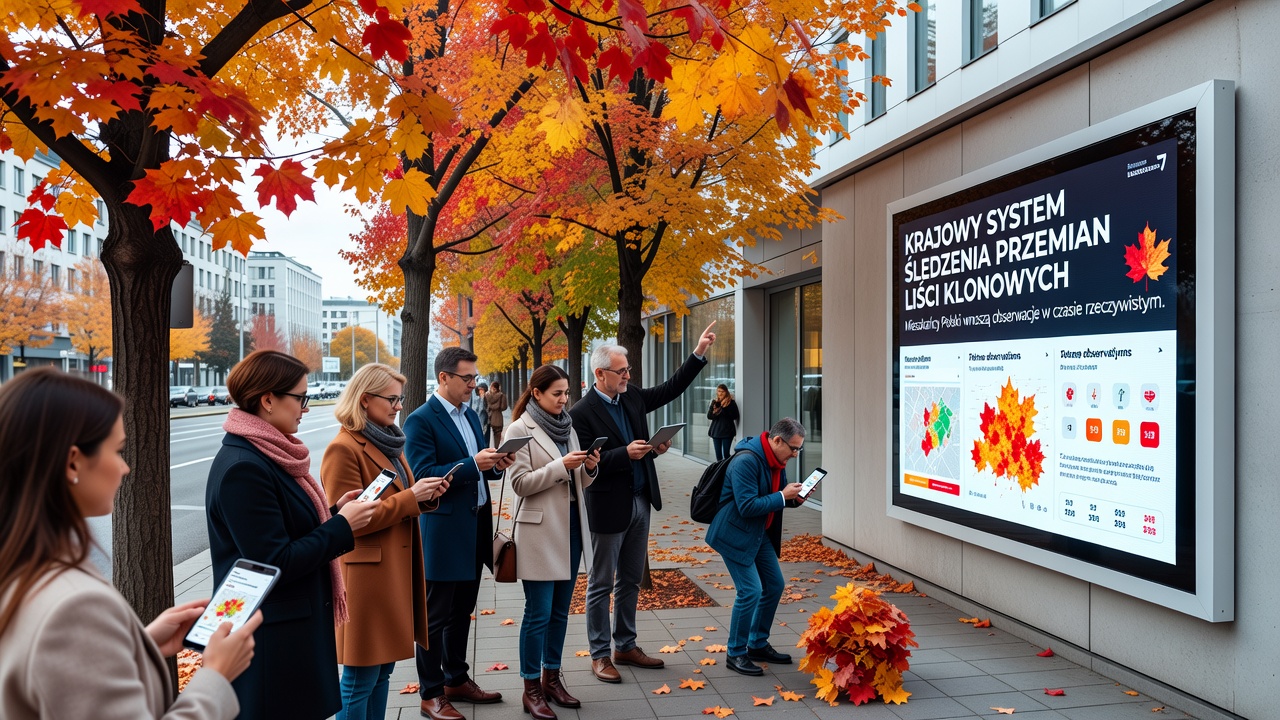
The application incorporates automated quality checks that reject blurry images or submissions lacking sufficient metadata, and it provides optional training modules that teach users how to distinguish between maple species common in Poland such as Acer platanoides and Acer pseudoplatanus. Notifications remind registered participants of upcoming peak foliage windows based on historical averages, while a public dashboard displays anonymized maps updated weekly to show national progress of autumn coloration. These features reduce data noise and maintain consistency across thousands of individual contributors.
Integration with Other Environmental Monitoring
Maple foliage data merges with insect population surveys and soil moisture readings collected by the same user base, and combined datasets help identify correlations between leaf color duration and pest pressure. Polish environmental authorities share selected summary statistics with international bodies including the European Environment Agency, which incorporates the information into continental biodiversity assessments. The resulting reports inform policy discussions on forest resilience without attributing causation to any single factor.
Conclusion
The smartphone-based observation system demonstrates how distributed citizen input scales to national coverage for phenological monitoring, and continued participation in 2026 and beyond supplies the volume of observations required for robust statistical analysis. Ongoing refinements to the app interface and validation methods aim to sustain data quality while expanding geographic reach into underrepresented eastern regions of Poland.