Viktor Lehmann · 22 September 2026
Polish Research Team Identifies Fungal Partnerships Boosting Maple Resilience in Native Woodlands
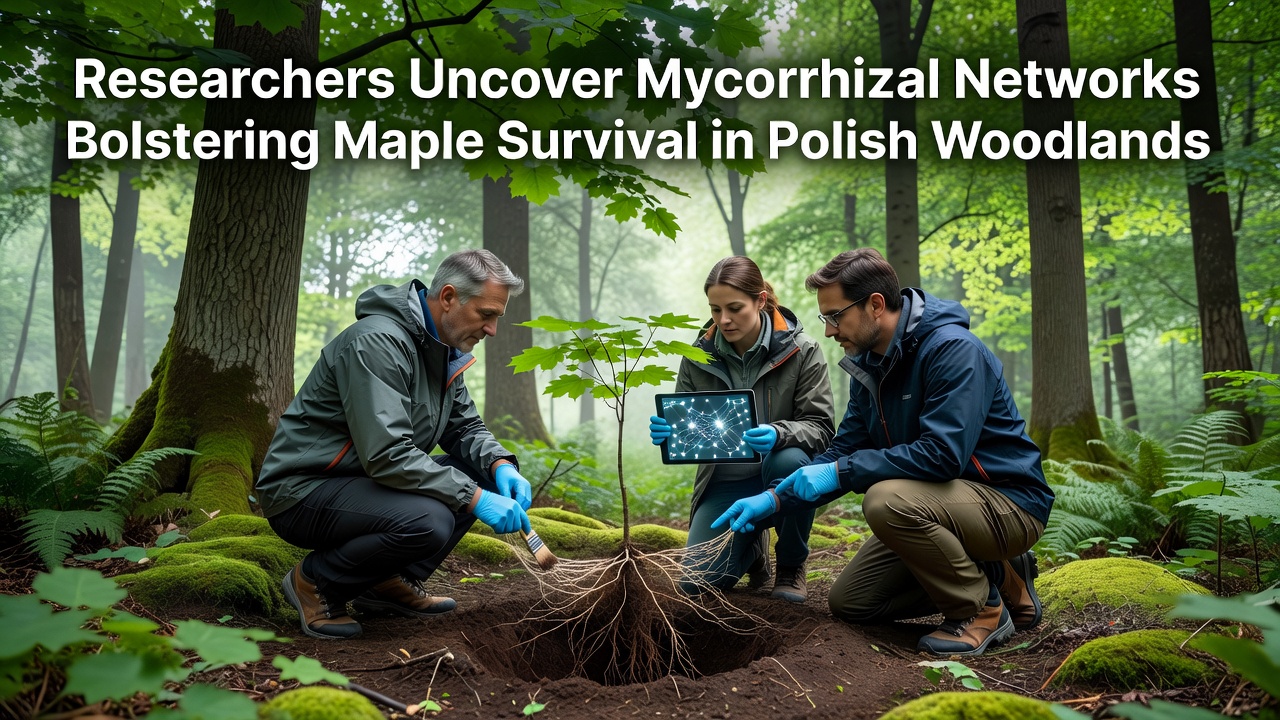
Polish researchers have documented extensive mycorrhizal networks that connect maple trees with underground fungal systems and these connections appear to strengthen tree survival rates in several woodland areas across the country. Field teams collected root samples and soil data from multiple sites where sugar maples and sycamore maples grow alongside native beech and oak stands. Laboratory analysis revealed dense hyphal threads linking individual trees to shared fungal partners that transport nutrients and water during periods of environmental stress.
Study Methods and Site Selection
Scientists selected five woodland locations in central and eastern Poland for intensive sampling between 2023 and 2025. They used molecular sequencing to identify fungal species associated with maple roots and mapped the physical extent of hyphal connections using stable isotope tracing. Data showed that certain ectomycorrhizal and arbuscular mycorrhizal fungi formed common networks among neighboring maples and these networks remained active even when surface soil moisture dropped below typical thresholds. Observers noted that trees linked to larger networks maintained higher leaf water potential compared with isolated individuals during the same measurement periods.
Key Findings on Nutrient Exchange
Evidence from isotope labeling indicated that carbon fixed by one maple moved through fungal pathways to adjacent trees within days. Phosphorus and nitrogen transfer followed similar routes and researchers recorded measurable increases in recipient tree tissue concentrations. These exchanges occurred most frequently when one partner experienced higher resource availability than another and the pattern repeated across all five study sites. Polish forestry records list comparable maple stands dating back several decades yet recent measurements show sustained growth increments in networked trees despite regional climate variability recorded since 2018.
Context from Broader European Research
Similar fungal partnerships have been documented in other temperate forests and Polish results align with patterns reported by teams in neighboring countries. According to a European Environment Agency overview of forest soil biology, mycorrhizal diversity often correlates with tree stability under changing precipitation regimes. Polish data add geographic specificity by focusing on maple species that occupy transitional zones between continental and maritime climate influences.
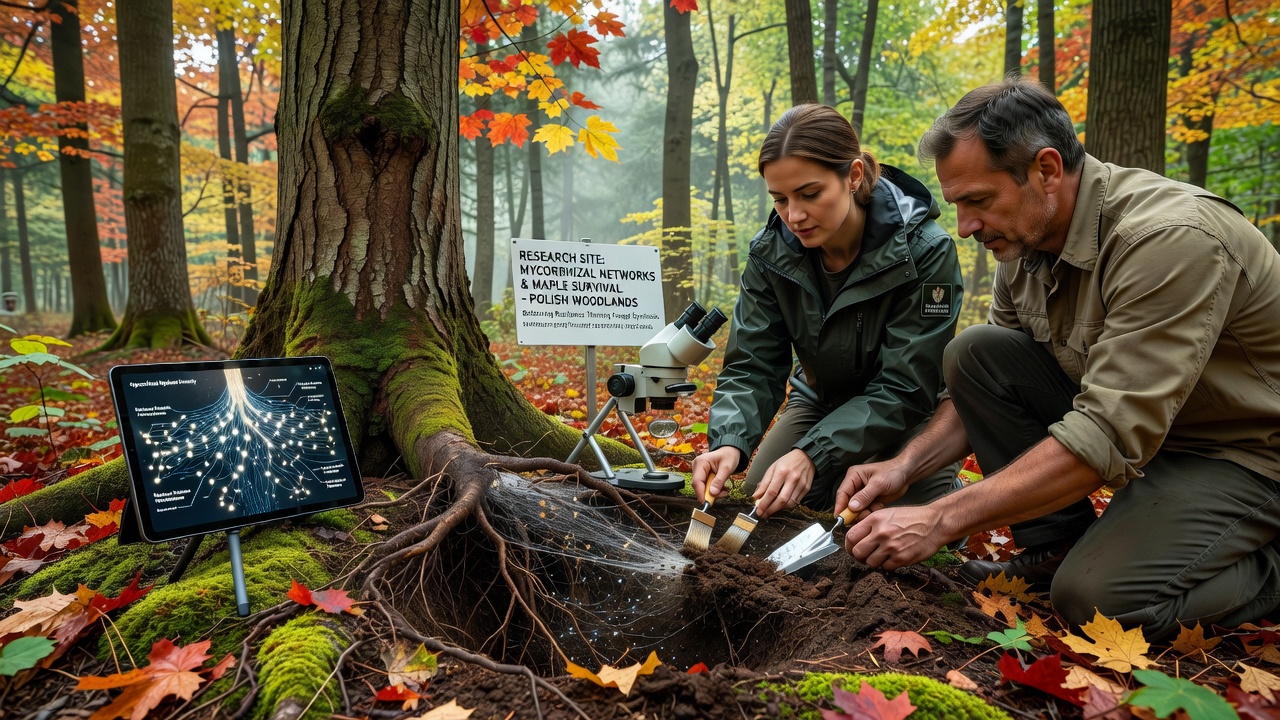
Further sampling in spring 2026 confirmed that network density increased in plots where maple regeneration had occurred naturally after selective harvesting. Seedlings that established near mature trees displayed earlier colonization by the same fungal partners found on older roots. This observation matches patterns described in Canadian studies where young maples benefit from inherited fungal communities already established in the soil matrix.
Implications for Woodland Management
Forestry agencies in Poland have begun incorporating network mapping into long-term monitoring protocols. Managers now consider the presence of intact fungal communities when planning thinning operations and they adjust harvest schedules to preserve root connections that support remaining maples. In September 2026 a joint workshop organized by the Polish Forest Research Institute and several university departments will review these protocols and compare them with practices used in other European regions. Participants will examine how reduced soil disturbance correlates with maintained network function and they will discuss metrics for evaluating success over multi-year cycles.
Additional measurements collected at the original study sites show that maple stands with higher mycorrhizal connectivity also hosted greater soil microbial diversity. Bacterial and fungal richness indices rose in tandem with network extent and this broader community appeared to buffer against pathogen pressure observed in some isolated stands. Researchers continue to track these variables through repeated visits scheduled through the end of the decade.
Conclusion
Polish investigations have established that mycorrhizal networks contribute to maple persistence in local woodlands by facilitating resource sharing and supporting young trees during establishment phases. Ongoing work scheduled for presentation in September 2026 will refine management recommendations and extend the geographic scope of sampling to additional regions. These findings provide forest managers with measurable indicators they can use when assessing stand health and planning interventions that maintain underground connectivity.