Wendy Washington · 2 September 2026
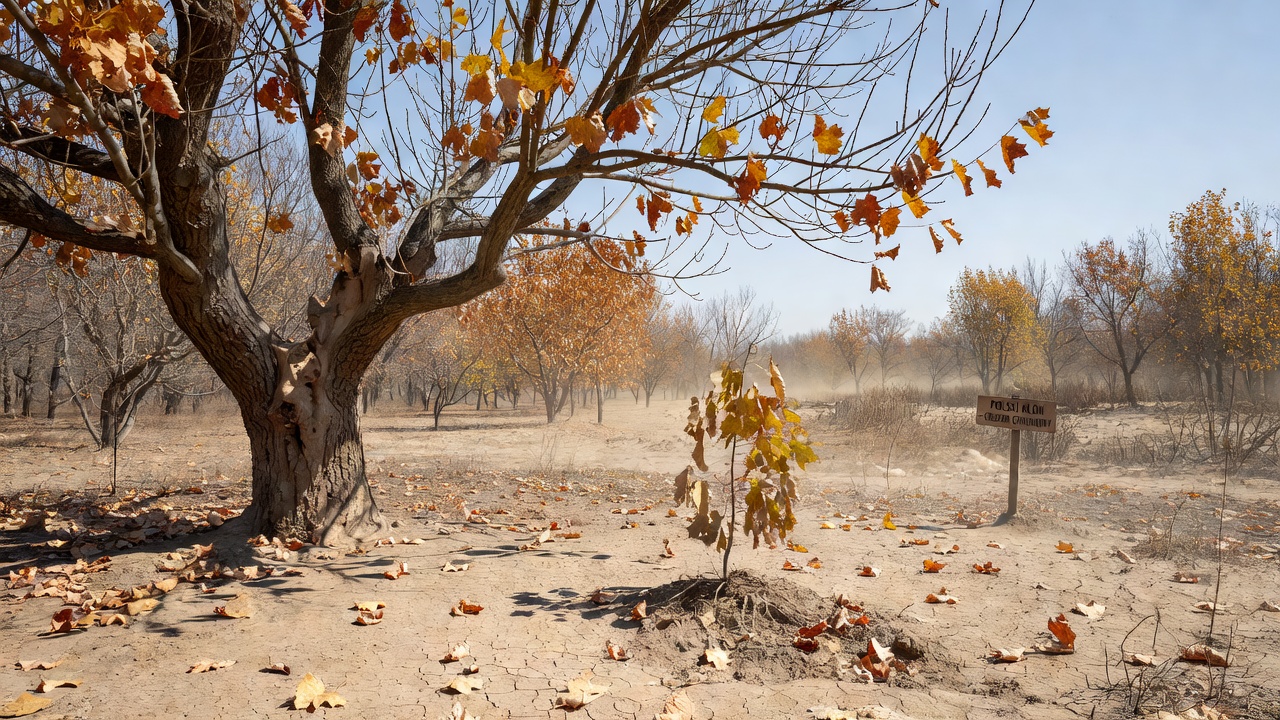
The Polish maple population has experienced a significant decline in 2024, primarily attributed to the severe drought conditions that affected much of the country. Maple trees, which are integral to Poland's forest ecosystems, have shown signs of stress including leaf scorch and reduced growth rates. Recent surveys by forestry departments reveal that over 200,000 hectares of maple-dominated forests have been impacted.
Causes and Environmental Factors
Experts from environmental agencies have linked the drought to changing climate patterns, with rainfall levels dropping by 40% compared to previous years. This lack of moisture has led to soil dehydration, making it difficult for maple roots to access necessary water. Additionally, increased temperatures have exacerbated the situation, leading to higher evaporation rates. Studies indicate that young maple saplings are particularly vulnerable, with survival rates dropping to below 50% in affected areas. Forest management reports highlight that regions like the Carpathian foothills and central plains have been hit hardest. The prolonged dry spell, lasting from spring through summer, prevented the trees from replenishing their water reserves effectively.
Furthermore, the drought has indirectly affected maple populations through increased pest infestations. Weakened trees are more susceptible to insects such as the maple scale and various bark beetles. Without adequate water, the trees' natural defenses are compromised, allowing pests to spread more rapidly. This combination of factors has resulted in an estimated 15% reduction in mature maple stands across Poland this year alone. Soil analysis also shows increased salinity in some areas, further stressing the vegetation.
Responses and Mitigation Strategies
In response to these findings, Polish authorities have initiated several conservation programs aimed at protecting remaining maple populations. These include irrigation projects in key forest reserves and the planting of drought-resistant maple varieties. Educational campaigns by institutions like the Maple Education Hub are also underway to raise awareness about the importance of sustainable forest practices. Researchers emphasize the need for long-term monitoring to track recovery and adapt strategies accordingly. While immediate actions are crucial, experts warn that without broader climate interventions, similar declines could occur in other tree species. The situation underscores the vulnerability of Poland's biodiversity to extreme weather events. Collaboration with international environmental organizations is being considered to develop more robust adaptation plans for future droughts.
Local communities are encouraged to participate in reforestation efforts, focusing on mixed species planting to enhance resilience. Data collected from satellite imagery and ground sensors provide real-time insights into forest health, enabling timely interventions. Overall, the 2024 drought serves as a critical reminder of the challenges facing Poland's natural heritage.