Wendy Washington · 2 September 2026
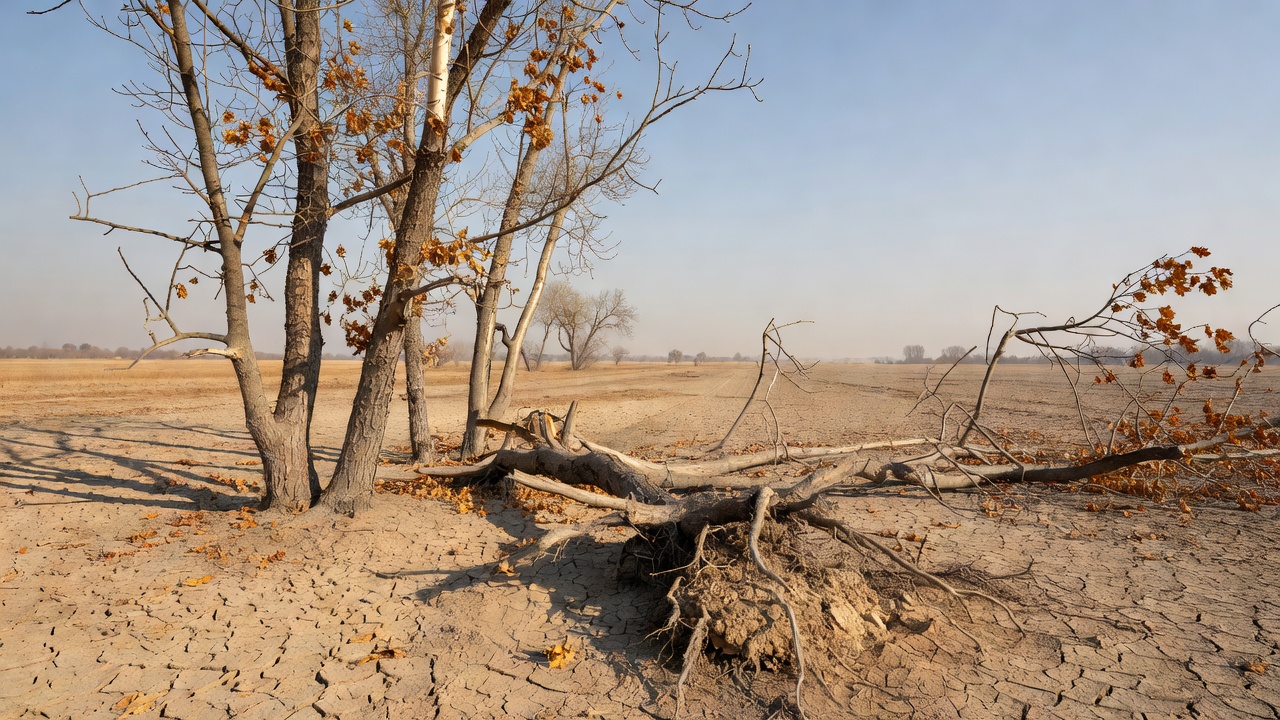
Recent data from forestry surveys indicate a troubling trend in Poland's natural landscapes, with maple tree numbers dropping notably due to the extreme drought of 2024. The country's maple population, vital for ecological balance and timber resources, has suffered from insufficient rainfall over several months. This event highlights the vulnerability of deciduous forests to changing climate conditions. Experts warn that continued dry spells could lead to irreversible losses if not addressed promptly through coordinated efforts.
Drought Impact on Maples
The decline affects not only the trees themselves but also the wildlife dependent on them. Birds, insects, and mammals that rely on maple seeds and foliage are facing habitat loss. Soil erosion has increased in areas where maples have died, leading to further environmental degradation. Studies show that regions in central Poland have been hit hardest, with some forests losing over 30 percent of their mature maples. Water scarcity has also impacted the trees' ability to produce seeds, reducing natural regeneration rates. This compounds the problem for future generations of maples. International collaborations are being sought to share knowledge on drought management in forestry. Furthermore, the economic implications are significant as maples contribute to the forestry industry. Tourism related to autumn foliage viewing may also suffer. Scientists are conducting detailed analyses to understand the full scope of the damage.
Response Measures
Authorities are implementing several measures to mitigate the damage. These include selective breeding for resilient maple species and enhanced monitoring using satellite technology. Community education campaigns are being rolled out to inform the public about sustainable practices that can help protect remaining trees. Funding has been allocated for research into soil amendments that retain moisture better. Projections based on current trends suggest continued challenges unless global efforts to combat climate change succeed. The focus remains on adaptive management to ensure the survival of Poland's maple heritage. Volunteers and local groups play a crucial role in these recovery efforts by participating in tree care programs and reforestation activities across affected areas. Long term solutions involve policy changes at the national level to prioritize forest conservation. Partnerships with universities for ongoing studies are essential. Public awareness is key to garnering support for these initiatives.