Clara Friedrich · 2 September 2026
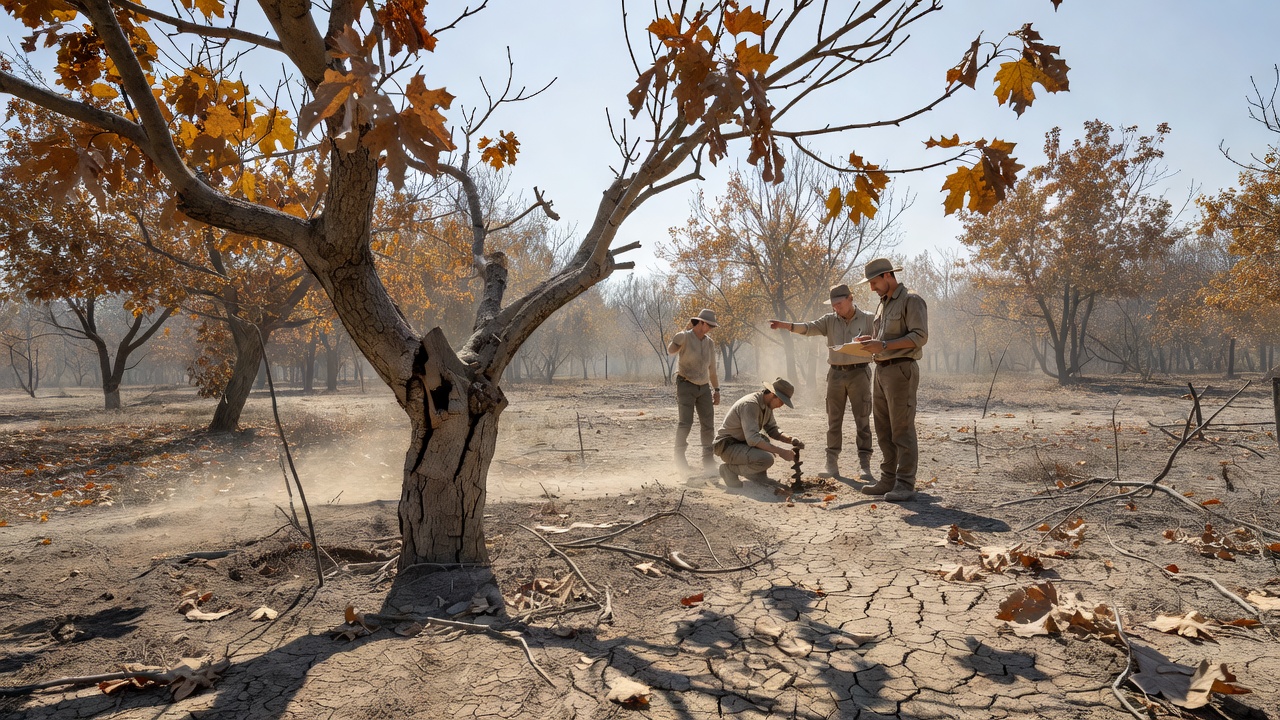
Poland's native maple populations have experienced a marked decline in 2024, with researchers attributing the trend directly to prolonged drought conditions that affected much of the country. Data collected by forestry institutes indicate reduced seedling survival rates and increased adult tree mortality, particularly among Acer platanoides and Acer pseudoplatanus stands in central and eastern regions. Soil moisture levels dropped below critical thresholds for several consecutive months, limiting root function and nutrient uptake.
Effects on Growth and Ecosystem Role
Maple trees play a vital role in Polish woodlands by providing canopy cover, supporting biodiversity, and contributing to soil stability. The 2024 drought disrupted these functions as weakened trees showed earlier leaf senescence and reduced seed production. Insect infestations rose in stressed stands, compounding damage. Monitoring plots recorded a 22 percent drop in new maple regeneration compared with the five-year average. Hydrological models suggest that repeated dry spells may shift forest composition toward more drought-tolerant species over the coming decades.
Urban plantings have not been spared. City inventories in Warsaw and Kraków documented higher rates of branch dieback and crown thinning in street-side maples. Municipal arborists report increased removal requests, raising concerns about urban heat island mitigation and air quality benefits traditionally supplied by these trees.
Research Response and Adaptive Measures
Scientists are now testing drought-resistant maple provenances and exploring supplemental irrigation protocols for high-value conservation sites. Genetic studies aim to identify resilient individuals that could anchor future reforestation programs. Educational initiatives through Maple Education Hub emphasize the importance of monitoring local water cycles and supporting sustainable land management to safeguard remaining populations. Long-term projections indicate that without intervention, maple coverage in Poland could decrease by an additional 15 percent by 2035 under similar climate patterns.